
Self-Reflection Techniques to Recognize Emotional Patterns
Practical journaling methods and reflection exercises that help you identify your emotional triggers and develop greater self-awareness over time.

Why Self-Reflection Matters for Emotional Growth
Understanding your emotions isn’t something that just happens. It takes practice, patience, and honest observation of yourself. When you develop self-reflection skills, you’re essentially learning to read your own emotional patterns — the triggers that set you off, the situations that drain your energy, and the moments when you’re at your best.
Think about a time recently when you felt frustrated or anxious. Did you understand why in that moment? Most people don’t. They just feel the emotion and react. But when you build a reflection practice, you start noticing the patterns. Maybe you’re always irritable on Mondays. Perhaps certain conversations with specific people consistently leave you feeling drained. These aren’t random — they’re patterns you can identify and work with.


The Daily Trigger Journal Method
This is the simplest approach to start with. You’ll spend just 5-10 minutes each evening writing about what triggered your emotions throughout the day.
Identify the Moment
Write down a specific time when you felt a strong emotion. Don’t overthink it — just describe what happened. “Meeting with my manager where they questioned my project approach” works better than “bad day at work.”
Name the Emotion
Be specific. Not just “stressed” but “embarrassed, then defensive, then frustrated.” Emotions layer on top of each other. You’re learning to untangle them.
Find the Root
Ask yourself: What belief triggered this? Was it feeling judged? Afraid of failing? Worried about looking incompetent? This is where real insight happens.
Track the Pattern
After two weeks, review your entries. You’ll notice certain triggers appearing repeatedly. That’s your pattern emerging. Most people see 3-4 core triggers that show up across different situations.
The goal here isn’t to judge yourself for feeling these emotions. It’s purely observation. You’re becoming a curious scientist studying your own mind, not a critic.
The Body Scan Reflection Technique
Emotions live in your body before they reach your conscious mind. This method teaches you to notice that.
When you feel an emotion rising, pause and do a quick body scan. Where do you feel it? Tight chest? Clenched jaw? Butterflies in your stomach? Different emotions create different physical sensations, and learning to recognize yours is incredibly powerful.
Keep a small notebook just for these physical sensations. After a few weeks, you’ll have your own personal emotional map. You’ll recognize anxiety by that tightness in your chest before the worried thoughts even fully form.

Recognizing Your Patterns: The Big Picture
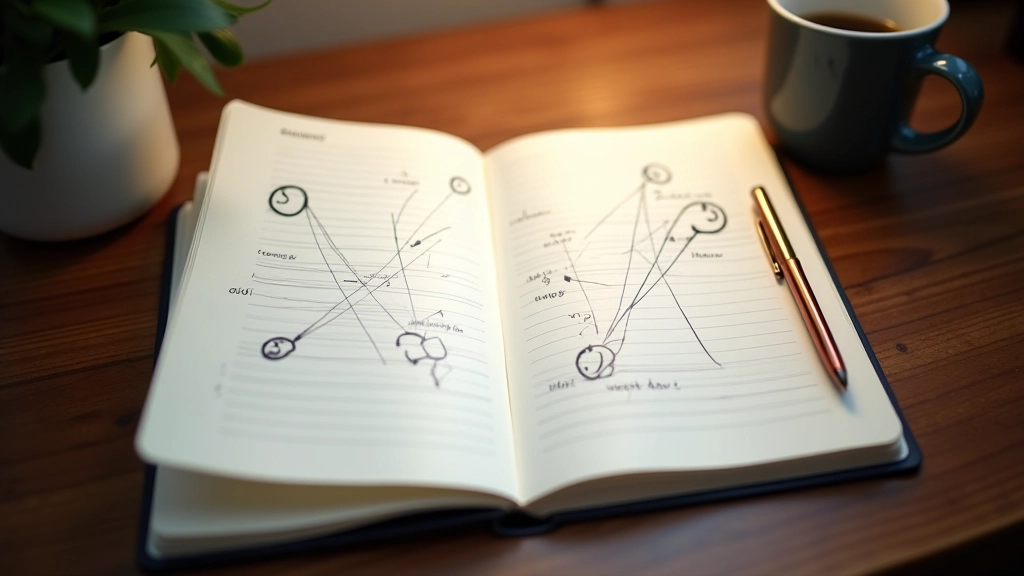
After about three weeks of consistent journaling or body scanning, you’ll start seeing patterns. This is the breakthrough moment. You’re not just having emotions anymore — you’re understanding them.
Common emotional patterns in Hong Kong’s high-pressure environment often include perfectionism (leading to anxiety when things aren’t flawless), people-pleasing (causing resentment when boundaries aren’t respected), and impostor syndrome (creating shame during professional achievements). Your patterns might be entirely different, and that’s the whole point of reflection.
Here’s what makes this powerful: Once you see a pattern, you can’t unsee it. But more importantly, you can work with it. If you know that criticism always triggers your shame response, you can prepare for it. You can breathe differently. You can remind yourself of evidence that contradicts that shame. You move from automatic reaction to conscious choice.
This doesn’t happen overnight. Real pattern recognition takes 4-6 weeks of consistent practice. But when it clicks, when you suddenly understand why you’ve been reacting the same way to similar situations for years, that’s when genuine change becomes possible.
Building a Sustainable Reflection Practice
The best reflection technique is the one you’ll actually use. Consistency matters far more than complexity.
Start Small
Five minutes daily beats thirty minutes once a week. Even three quick sentences in the morning or evening builds momentum. You’re training your brain to notice, not writing a novel.
Choose Your Medium
Some people love handwriting. Others prefer typing. Some use voice memos. There’s no wrong choice — just pick what feels natural. The medium doesn’t matter. The reflection does.
Make It a Ritual
Pair your reflection with something you already do. After morning coffee. Before bed. During lunch break. When it’s attached to an existing habit, it becomes automatic instead of another task to remember.
Review Regularly
Every two weeks, look back at your entries. Don’t just write and forget. That’s where the pattern recognition happens. You’re looking for recurring themes, not judging yourself.
Your Emotional Awareness Journey Starts Now
Self-reflection isn’t a luxury — it’s a fundamental skill for emotional intelligence. When you understand your patterns, you’re no longer at the mercy of your emotions. You’re aware. You’re intentional. You have choice.
The techniques in this guide — daily trigger journaling, body scan reflection, pattern recognition, and consistent practice — aren’t complicated. They’re straightforward. But simplicity doesn’t mean they’re not powerful. These practices have helped countless people in Hong Kong’s demanding environment develop the self-awareness they need to thrive, not just survive.
You don’t need to do everything at once. Pick one technique. Commit to three weeks. Notice what shifts. That’s enough to begin. The rest unfolds naturally from there.
Educational Information
This article is for educational purposes only. It provides general information about self-reflection techniques and emotional pattern recognition. It’s not a substitute for professional mental health support. If you’re experiencing significant emotional distress, persistent anxiety, depression, or other mental health concerns, please consult a qualified mental health professional, therapist, or counselor. Everyone’s emotional journey is unique, and what works for one person may need adjustment for another. Use these techniques as tools for self-discovery alongside professional guidance when needed.

Related Articles